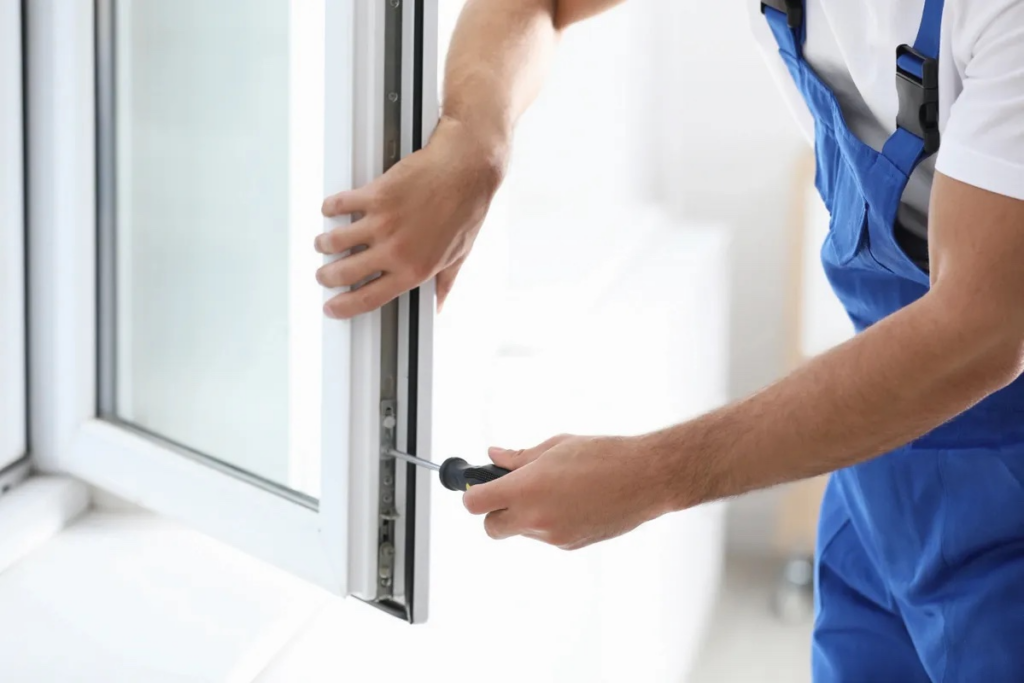
Energy-Efficient Window Repair: Enhancing Home Comfort and Reducing Utility Bills
In the quest for a more sustainable and comfy living environment, house owners often neglect the significance of energy-efficient window repair. Windows play a vital role in regulating indoor temperature levels and keeping the energy effectiveness of a home. Over time, however, they can establish issues that compromise their efficiency, leading to higher energy costs and reduced comfort. This article digs into the importance of energy-efficient window repair, the common issues that emerge, and the steps property owners can take to deal with these concerns successfully.
The Importance of Energy-Efficient Windows
Windows are more than simply openings that enable light and fresh air into a home. They are essential parts of a building's thermal envelope, which assists to maintain a constant indoor temperature. Energy-efficient windows are created to decrease heat transfer, lower drafts, and prevent air leakage, eventually resulting in lower heating & cooling expenses. According to the U.S. Department of Energy, windows can account for 25% to 30% of residential heat loss and gain. Therefore, making sure that windows are in excellent condition is necessary for preserving a home's energy efficiency.
Common Window Problems and Their Impact on Energy Efficiency
Before diving into the repair procedure, it's essential to identify the typical issues that can impact window efficiency. Here are some of the most frequent problems:
Drafts and Air Leaks:
- Causes: Cracks, gaps, or worn-out weatherstripping.
- Effect: Drafts can substantially increase cooling and heating costs by allowing conditioned air to escape and unconditioned air to go into.
Broken Seals:
- Causes: Aging, exposure to extreme temperature levels, or physical damage.
- Effect: Broken seals in double- or triple-pane windows can lead to fogging and minimize insulation properties.
Damaged or Damaged Frames:
- Causes: Moisture damage, termite problem, or basic wear and tear.
- Effect: Damaged frames can trigger air leakages and make it tough to open or close windows, causing increased energy intake.
Faulty Hardware:
- Causes: Rust, deterioration, or mechanical failure.
- Effect: Malfunctioning hardware can prevent windows from closing correctly, causing air leaks and minimizing energy efficiency.
Broken or Broken Glass:
- Causes: Physical impact or thermal stress.
- Effect: Broken glass not only presents a security threat but likewise permits for substantial heat loss or gain.
Actions for Energy-Efficient Window Repair
Fixing energy-efficient windows can be a straightforward process if you follow these steps:
Identify the Problem:
- Conduct an extensive inspection of all windows to identify any problems such as drafts, fogging, or damaged frames.
- Use a candle or incense stay with find air leaks by moving it around the window frame and noting where the flame flickers.
Seal Air Leaks:
- Weatherstripping: Apply weatherstripping around the window frame to seal spaces and avoid air leaks. Common types include foam, rubber, and vinyl.
- Caulking: Use a premium, weather-resistant caulk to seal gaps in between the window frame and the wall.
- Insulating Films: Install insulating movies on the window glass to reduce heat transfer and enhance energy effectiveness.
Replace Broken Seals:
- Diagnosis: If you discover condensation or fogging between the panes of double- or triple-pane windows, the seal is most likely broken.
- Repairs: In some cases, the seal can be fixed by reapplying a sealant. Nevertheless, if page is substantial, it may be essential to replace the whole window unit.
Repair or Replace Damaged Frames:
- Assessment: Check for signs of wetness damage, rot, or termite infestation. If the damage is minor, you can often repair the frame.
- Repair: Sand down any rough locations, apply a wood filler, and repaint or stain the frame.
- Replacement: For extreme damage, consider replacing the entire window frame. Modern materials such as vinyl, fiberglass, and composite offer exceptional durability and energy effectiveness.
Service Window Hardware:
- Lubrication: Clean and oil the window hinges and locks to guarantee they run smoothly.
- Replacement: If hardware is beyond repair, replace it with new, energy-efficient parts.
Replace Cracked or Broken Glass:
- Safety First: Wear protective gloves and safety glasses when managing damaged glass.
- Expert Help: For complicated repairs, think about working with a professional to replace the glass and guarantee it is correctly sealed.
Benefits of Energy-Efficient Window Repair
Lowered Energy Bills:
- By sealing air leaks and enhancing insulation, energy-efficient window repair can significantly minimize heating & cooling costs.
Increased Comfort:
- Properly fixed windows assist maintain a constant indoor temperature, improving overall comfort.
Enhanced Durability:
- Regular upkeep and timely repairs can extend the lifespan of your windows, reducing the need for frequent replacements.
Environmental Impact:
- Energy-efficient windows add to a more sustainable home by decreasing the need for energy and decreasing carbon emissions.
DIY vs. Professional Repair
While some window repairs can be managed as DIY projects, others may need expert help. Here's a breakdown to assist you decide:
DIY Repairs:
- Sealing Air Leaks: Applying weatherstripping and caulking.
- Servicing Hardware: Cleaning and oiling hinges and locks.
- Minor Frame Repairs: Sanding and painting.
Expert Repairs:
- Replacing Broken Seals: This frequently needs specialized tools and proficiency.
- Replacing Damaged Frames: Professional installation guarantees a perfect fit and proper sealing.
- Changing Glass: Safety concerns and the need for accurate measurements make this a job finest left to specialists.
Often Asked Questions (FAQs)
How do I understand if my windows require repair?
- Common indications consist of drafts, fogging, problem in opening or closing, and noticeable damage to the frame or glass.
What is the most common reason for window leakages?
- Damaged weatherstripping and spaces in the caulking are the most regular causes of air leaks around windows.
Can I repair a damaged seal myself?
- In some cases, you can reapply a sealant, however for substantial damage, it is suggested to speak with an expert.
What materials are best for energy-efficient windows?
- Vinyl, fiberglass, and composite materials provide outstanding resilience and energy effectiveness.
How frequently should I check my windows?
- It is a good idea to check windows a minimum of as soon as a year, ideally before the beginning of the heating or cooling season.
Are energy-efficient window repairs cost-efficient?
- Yes, the initial expense of repairs can be balanced out by long-term cost savings on energy costs and increased property value.
Energy-efficient window repair is a crucial element of home upkeep that can result in substantial advantages, including decreased energy expenses, increased convenience, and a more sustainable living environment. By following the actions laid out in this post and resolving typical window issues immediately, house owners can guarantee that their windows continue to carry out at their finest. Whether you select to deal with repairs yourself or hire a professional, the financial investment in energy-efficient window repair is well worth the effort.
Extra Resources
For more comprehensive details on energy-efficient window repair, think about the list below resources:
- U.S. Department of Energy: Energy Efficiency and Renewable Energy
- Consumer Reports: Window Buying Guide
- Home Depot: Window Repair Tips
By taking a proactive technique to window repair, homeowners can delight in a more comfortable and energy-efficient home for years to come.